
Case Study
Rebuilding the app that had to win back the market
A new traveler app for Infospread that led to four new framework agreements upon launch.

Written by
Björn Rutholm

Over 4 years, I led the design and development of Mötesglädje, a national mobile app helping seniors connect, combat loneliness, and build friendships later in life. Initiated together with SPF Seniorerna, the project became the largest digital initiative ever funded by Allmänna Arvsfonden.
Back in 2019 I was featured in a local magazine talking about how we could communicate more effectively with people who for one reason or another might struggle with language or understanding. After that article was published I was contacted by SPF Seniorerna who wanted to talk about improving digital communication for their members. All seniors at the age of 65+.
We sat down and had several discussions about this. We talked, and I did some sketches. After a couple of sessions we started to form a vision based on their current problem. Old people are lonely and struggle to keep up with modern social media. We wanted to create something that fixed both those things.
A platform for seniors. Where they could talk with each other, in a safe environment. Using an interface that they could actually understand. Few clicks, clear labels, big click areas.
But not only that. We also wanted to build it together with the members. Not build for them, but with them.
A project of this size needed proper funding and that was something we could not do alone. SPF wrote an application to Allmänna Arvsfonden, asking for funding for a 3-year project. The funds were approved and we became the largest digital project ever funded by Allmänna Arvsfonden. They made our vision possible.
We ran 6 focus groups across Sweden, from Malmö to Luleå, each with 10 to 15 participants. We started every session with an open question: what do you want to be able to do?
The answers ranged from playing games and watching videos to finding free parking spots. The ideas were creative but sprawling, so we ran extensive card sorting exercises, going back and forth with all six groups until a clear picture emerged.
Five core needs rose to the top. Safe messaging, both private conversations and interest-based forums. The ability to find and make new friends. Voice calls between verified users. And tools to create and join events, both physical and digital.
I expected hesitance. I thought we would have to convince them to try things, to click around, to give honest feedback. I was wrong.
They loved it. They pressed every button. They called each other both intentionally and by mistake. They found bugs we never would have caught. They gave us the kind of fearless, honest feedback that most beta testers never do. No politeness, no holding back. If something did not make sense, they told us. Immediately.
They were the best testers I have ever worked with. And I say that without exaggeration.
Mid-project, everything stopped. We could no longer travel across the country to meet our focus groups in person. We had to move everything to Zoom.
I was worried it would break the momentum. These were seniors, many of them new to video calls. But the opposite happened. They showed up. Every session. They were happy to be part of something. It gave them a reason to open their laptops, to contribute, to connect with people working toward a shared goal.
The project itself became a small antidote to the isolation it was trying to solve.
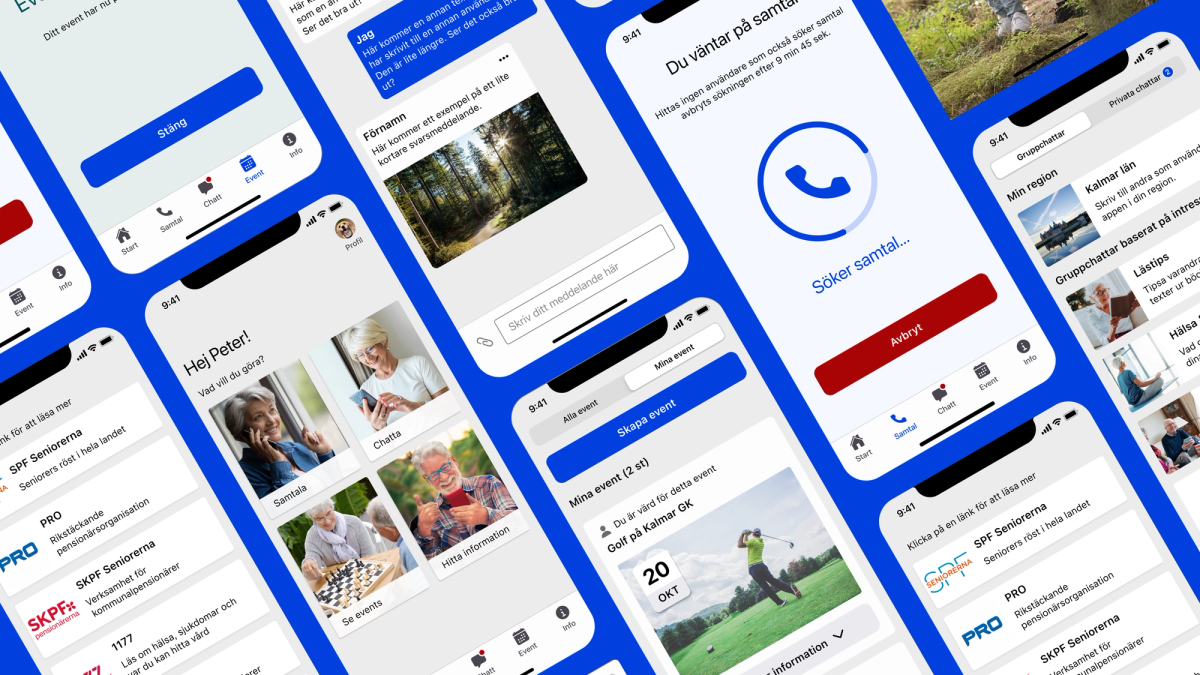
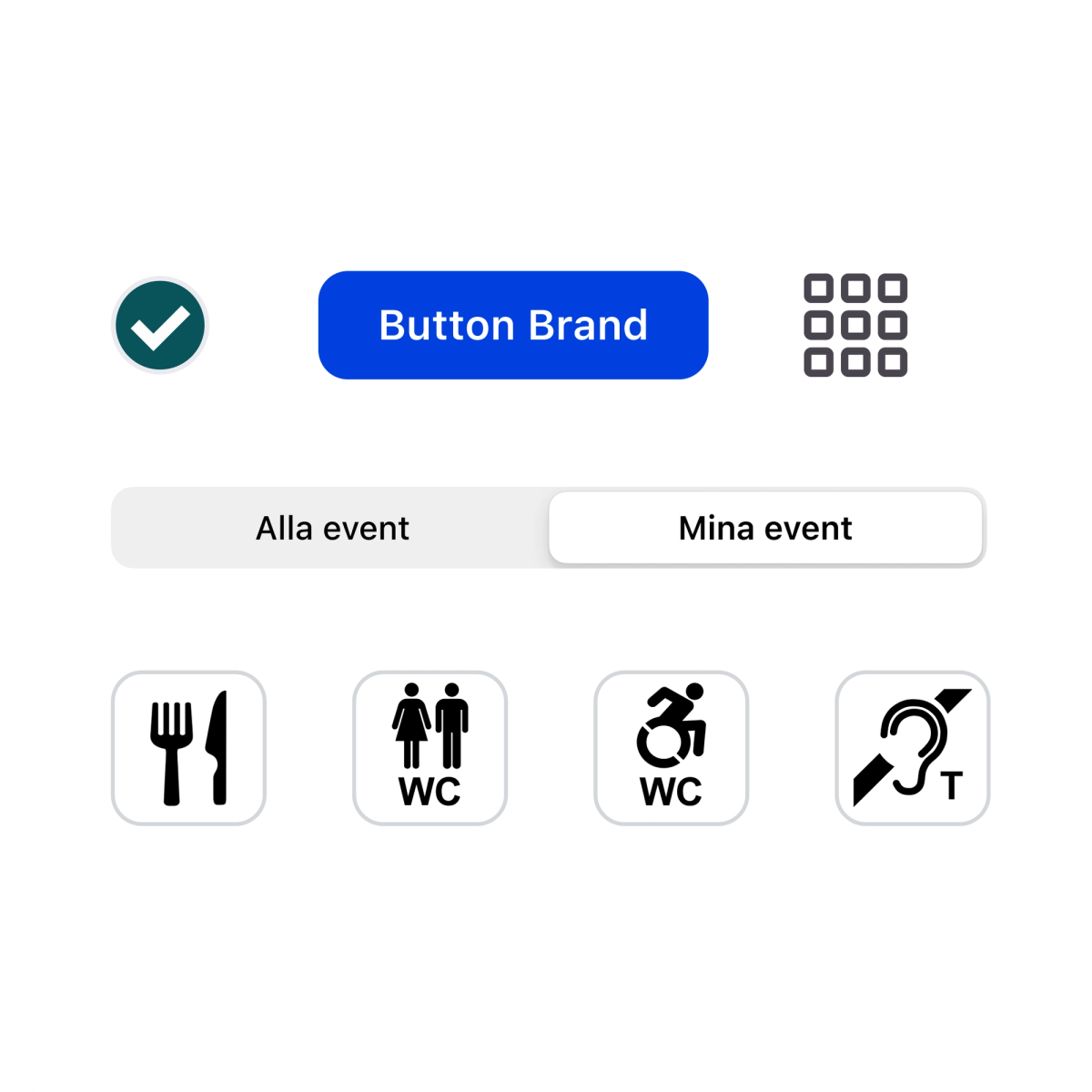
We were not designing for a general audience. We were serving users whose needs go far beyond what most digital products account for. That meant accessibility and simplicity were non-negotiable in every single decision.
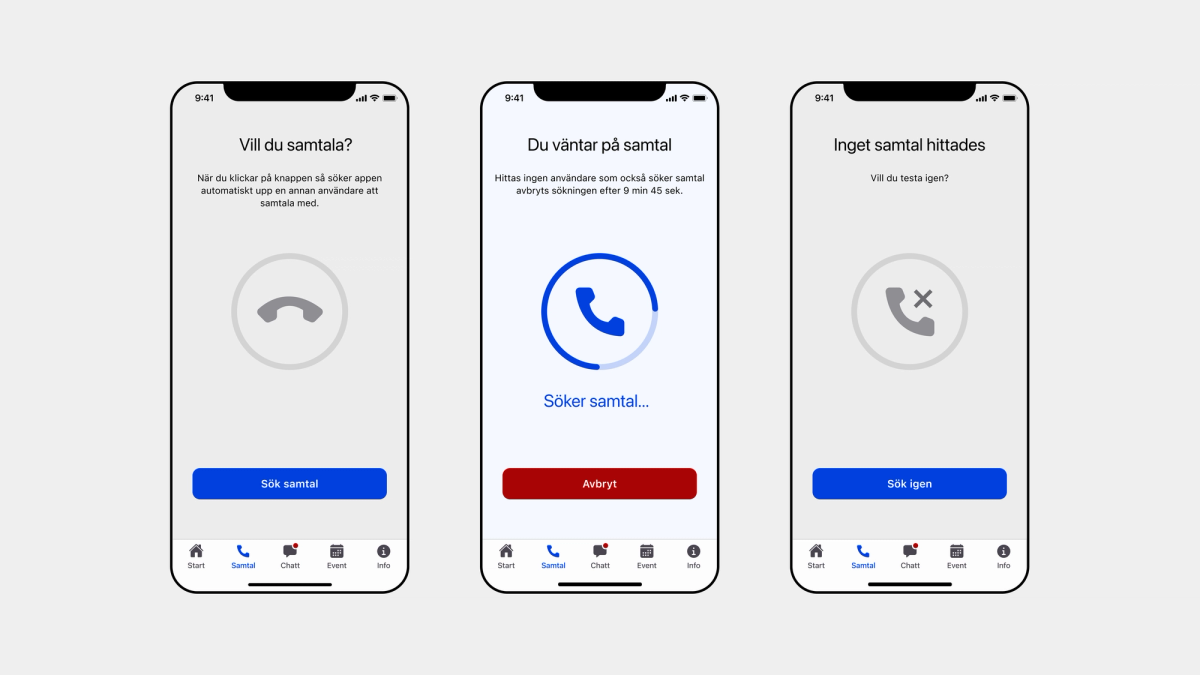
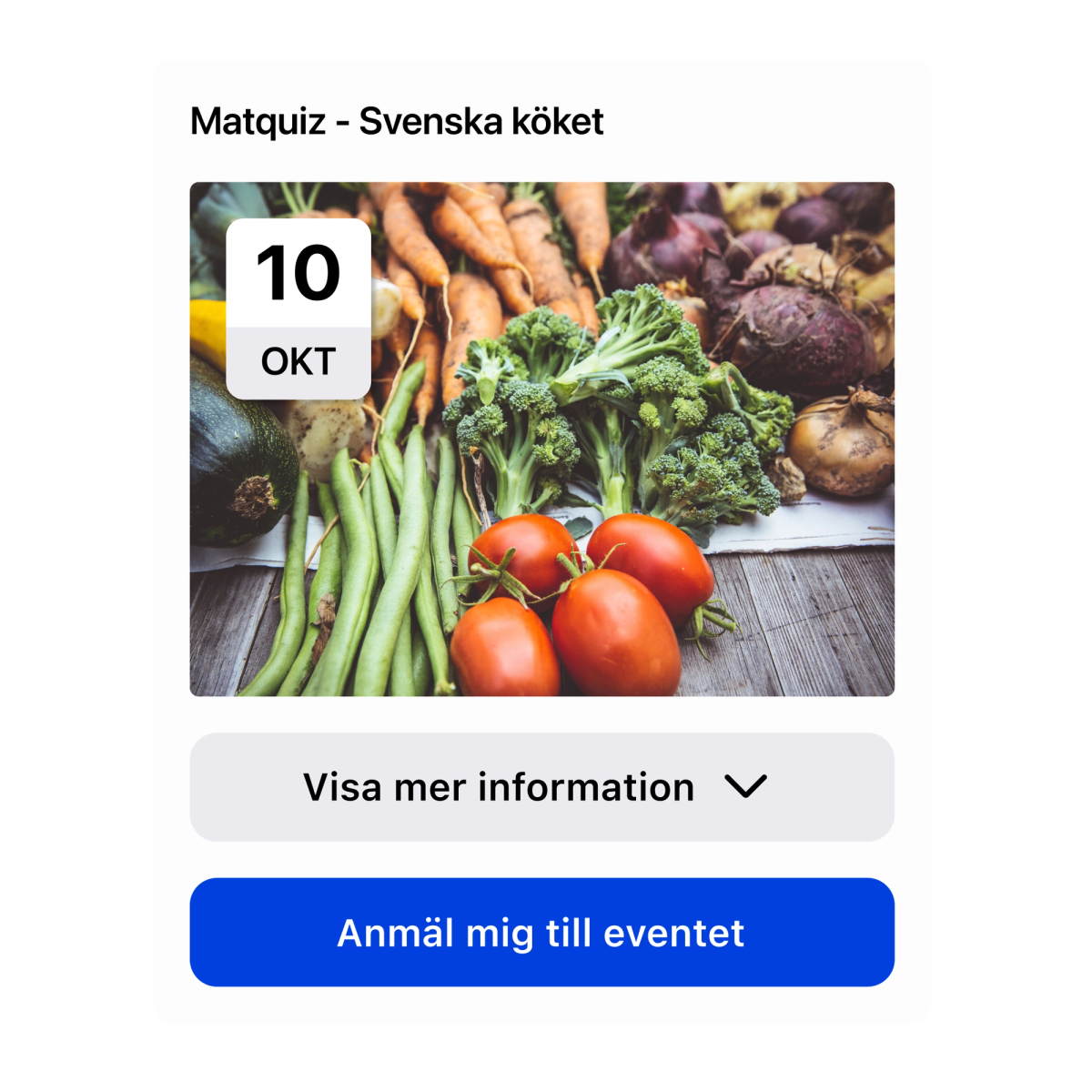
Few clicks. Clear labels. Big click areas. Safe messaging with verified users. Interest-based forums where you can find people who share your hobbies. Voice calls for those who prefer talking over typing. And an events system for organizing meetups, both physical and digital.
Mötesglädje launched on both iOS and Android and has grown to over 8,000 active users. A community of seniors who might otherwise never have connected. Users have found new friendships both locally and across the country, meeting up in person in their own cities or staying in touch through calls and chat.
The app has drawn attention beyond its user base. TV4 ran a segment highlighting how a digital tool can meaningfully address loneliness among older adults. What began as an idea to combat isolation has become a living platform, one we continue to maintain and develop together with SPF Seniorerna.
We knew where we wanted to go, but not exactly how to get there. PixelPappa was an incredible help along the way during the nearly 4 years the project lasted. From sitting in on our focus groups to delivering a simple and user-friendly app that our members can actually use. Attentive and empathetic to all of our seniors' needs.
If you are working on a product that needs to earn trust with a hard-to-reach audience, I would love to hear about it. Get in touch
Want to see the work?
View the full case study
Written by
Björn Rutholm
Founder of PixelPappa
Technical cofounder for hire. Product designer and developer helping teams build digital products that work.
A new traveler app for Infospread that led to four new framework agreements upon launch.
You don't need months to find out if your idea works. Here's a step-by-step breakdown of the 5-day design sprint, and how it can save you from building the wrong thing.
Fonts are one of the foundations of an accessible reading experience. Here are seven things to look for when choosing a typeface, and a checklist to keep on your desk.
Insights, case studies, and updates from PixelPappa.